


Basic Conditions for Cell Culture
1. Appropriate cell culture medium
A suitable cell culture medium is one of the most important conditions for cell growth and proliferation in vitro. The culture medium not only provides cell nutrition and basic substances to promote cell growth and proliferation, but also provides a living environment for the growth and reproduction of cultured cells.
2. High-quality serum
Currently, most synthetic media require the addition of serum. Serum is one of the most important components in cell culture medium, containing a variety of growth factors and other nutrients required for cell growth.
3. Constant cell growth temperature
To maintain the vigorous growth of cultured cells, there must be a constant and appropriate temperature.
4. Suitable gas environment
Gas is one of the necessary conditions for the survival of mammalian cells, and the required gases are mainly oxygen and carbon dioxide.
5. Cell Culture Temperature
To maintain the vigorous growth of cultured cells, there must be a constant and suitable temperature. Different types of cells have different requirements for culture temperature. The standard temperature for human cell culture is 36.5 °C ± 0.5 °C. Deviation from this temperature range will affect the normal metabolism of cells and even die.
6. Suitable gas environment
Gas is one of the necessary conditions for the survival of mammalian cell culture, and the required gases are mainly oxygen and carbon dioxide. Oxygen participates in the tricarboxylic acid cycle, producing energy for cell growth and proliferation and synthesizing various components needed for cell growth.
Common contamination of cell culture
1. Bacterial contamination
Bacterial contamination is the most common. Once the operation is slightly improper, it will cause cell contamination. After bacterial contamination, it will appear as black thin strips of sand when observed under the microscope. Rod-shaped, etc. Secondly, the culture medium turns yellow and turbid, and fine sand-shaped sediments can be clearly seen in the petri dish, and there is a strange smell from time to time.

2. Fungal contamination
The fungal-contaminated culture solution is clear and transparent, not like a big outbreak of bacterial infection, so it is difficult to detect it early. Sometimes it looks like a filament under the microscope, sometimes it looks like a coral, and slowly a very thin black filament will grow. This When it is too late, it is difficult for the cells to be rescued.
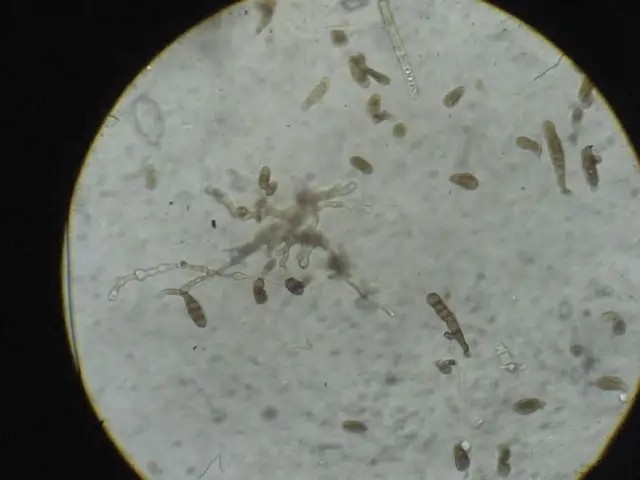
3. Mold contamination
Consistent with fungal infections, because the culture medium is clear, fungal contamination is difficult to detect early, when it is often too late. Flocculent impurities slowly appeared in the culture medium, and filamentous mass floating objects could be seen under the microscope, like catkins in the wind. Cells can still grow, but over time, the cells deteriorate and stop growing.

4. Mycoplasma infection
The culture medium becomes turbid. After mycoplasma infects the cells, the cytopathic changes are not obvious, but the cell state becomes worse and the growth slows down. There may be small black spots under the microscope, but the culture medium is generally not turbid. After the cells were passaged, intercellular black spots appeared, cells were vacuolated, and many cells resembled apoptosis and necrosis. Eventually, the cells floated and died completely.

Cell contamination prevention
Establishing good rules and regulations can go a long way in reducing cell contamination. Including access system, operating norms and daily management system.
Access system: including personnel and materials. Personnel need to be trained before they can operate by themselves, and they must meet the wearing requirements before entering the laboratory, such as white coats, isolation gowns, masks, gloves, etc. For the items needed, non-disposable items should be strictly sterilized and sterilized, and purchased items need to be purchased from regular and reliable channels. Newly purchased cells should be tested and verified before use.
Operating specifications: It is best to formulate specifications for routine operations, and laboratory personnel must follow the operating specifications, which cannot be changed at will, and also cultivate good operating habits for laboratory personnel. For example, after the pipette tip is sucked, it will not be extended into the medium for a second time, and a sufficient amount of medium will be sucked once. When adding liquid, the liquid should be added in suspension as much as possible, which can effectively prevent mycoplasma contamination and cell cross-contamination. In addition, if possible, only operate one cell line at a time, and it is better to have a little time interval between cells to avoid cross-contamination.
Daily management system: It includes rules and methods for the use, cleaning, and maintenance of the environment and consumables, reagents, etc. There are also management of the consumption, inventory and procurement of reagents and consumables, including two-level inventory management of cell samples. For the contamination sources that are not easy to find, it is best to conduct regular testing, mainly mycoplasma contamination and cell cross-contamination.
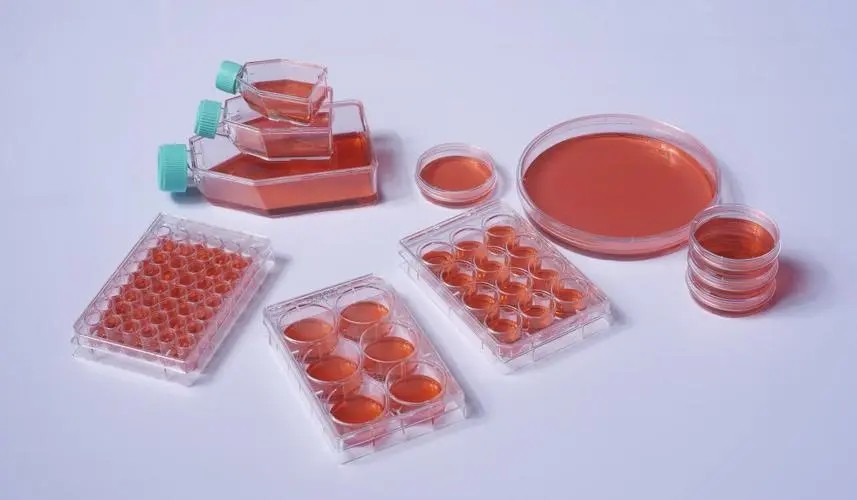
BKMAM Bio provides corresponding consumables for cell culture:
Disposable plastic round/square petri dishes:
High transparency polystyrene material (PS);
The surface is smooth and flat, and there is no optical distortion of cells under microscope observation;
Stacking design makes stacking and storage easier;
Ethylene oxide sterilization (EO);
Wear and corrosion resistance.

Adherent treatment of cell culture dishes:
Polystyrene material (PS);
Electron beam sterilization, no pyrogen, no toxin;
Vacuum plasma surface treatment, excellent cell adhesion;
The surface is smooth and flat, and there is no optical distortion of cells under microscope observation;
Stackable design makes stacking and storage easier.

Plastic cell culture plates:
Polystyrene material (PS);
Suitable for normal cell culture, non-adherent treatment plate type;
No pyrogen, no toxin, sterilized;
Easy tear type independent packaging, easy to operate;

Adherent treatment of cell culture plates:
Polystyrene material (PS);
Adherent treatment (TC treatment) plate type, suitable for the culture of adherent cells;
No pyrogen, no toxin, sterilized;
Easy tear type independent packaging, easy to operate;
All are flat bottoms.
Adherent treatment of cell culture flasks:
Polystyrene material (PS);
Electron beam sterilization, no pyrogen, no toxin;
Vacuum plasma surface treatment, excellent cell adhesion;
Breathable cover, which is conducive to gas exchange and prevents microorganisms from passing through.

Internal/external spin cryovials:
100% pure polypropylene material (PP);
Can withstand 15psi, 121°C sterilization;
The tube wall is thickened, and the tube body has scale and writing area;
There is a silicone ring seal between the pipe cover thread and the pipe body to ensure tightness;
No DNase, no RNase, no pyrogen, no endotoxin.
