

Materials of common plastic consumables in the laboratory
We usually come into contact with various consumables in the process of doing experiments in the laboratory. In addition to glass consumable products, many people are now using plastic products. Faced with a wide variety of plastic materials, many people do not know how to choose, so what is the difference between these materials? Here are some common plastic materials.
1: HDPE—High-Density Polyethylene
Non-toxic, odourless, translucent, durable, relatively brittle material
The maximum operating temperature is 120°C, so high temperature and high pressure sterilization cannot be used
Embrittlement temperature -100℃, can still maintain a certain toughness at low temperature
Acid and alkali resistance and various salt corrosion resistance, organic solvent resistance
Application: Intermediate product storage and final product storage and transportation containers, most of which are single-use
BKMAM water sampling bag,whirl pack bag,gas sampling bag,tedlar bag and Biohazard bags also use the HDPE,LDPE and PP material .
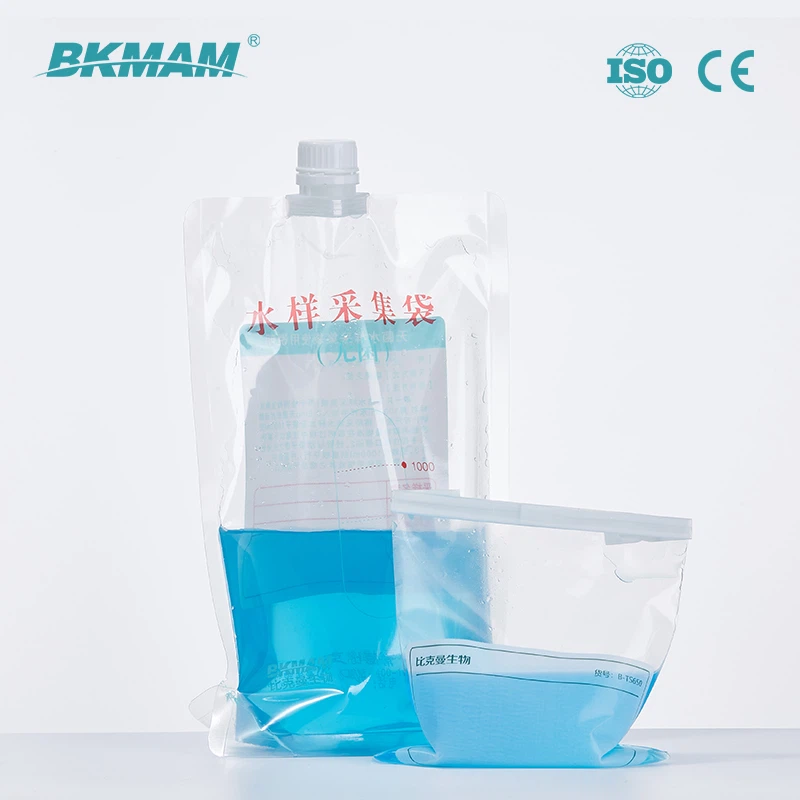
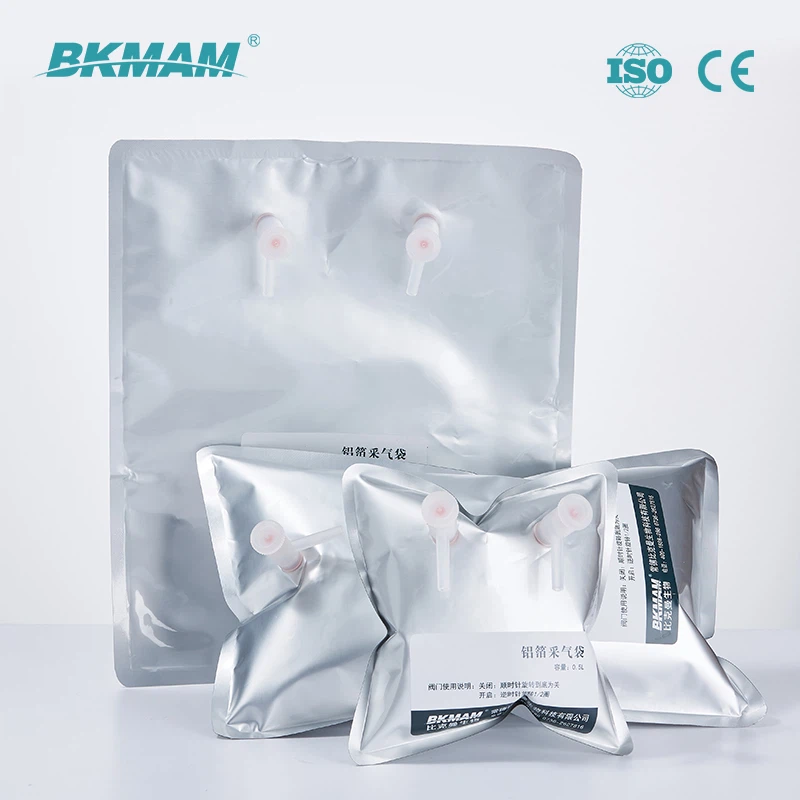
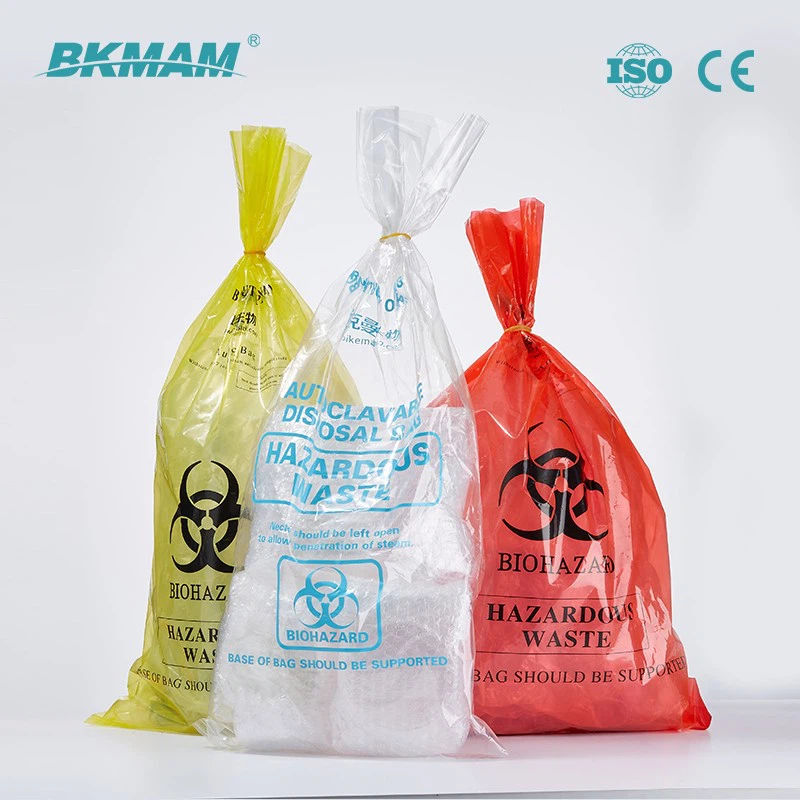
2: LDPE—low density polyethylene
Non-toxic, odorless, translucent, weaker in mechanical strength than HDPE, stronger in toughness
The maximum operating temperature is 80 °C, and it cannot be sterilized by high temperature and high pressure.
Embrittlement temperature -100℃, good cold resistance
Acid and alkali resistance, organic solvent resistance performance is poorer than HDPE
Application: Like HDPE, it is generally used for storage and transportation of various intermediate products and final products, and it is mostly used for one-time use.
And our Puncture resistant medical waste bag and Pasteur pipette,disposable plastic dropper are made of LDPE material.
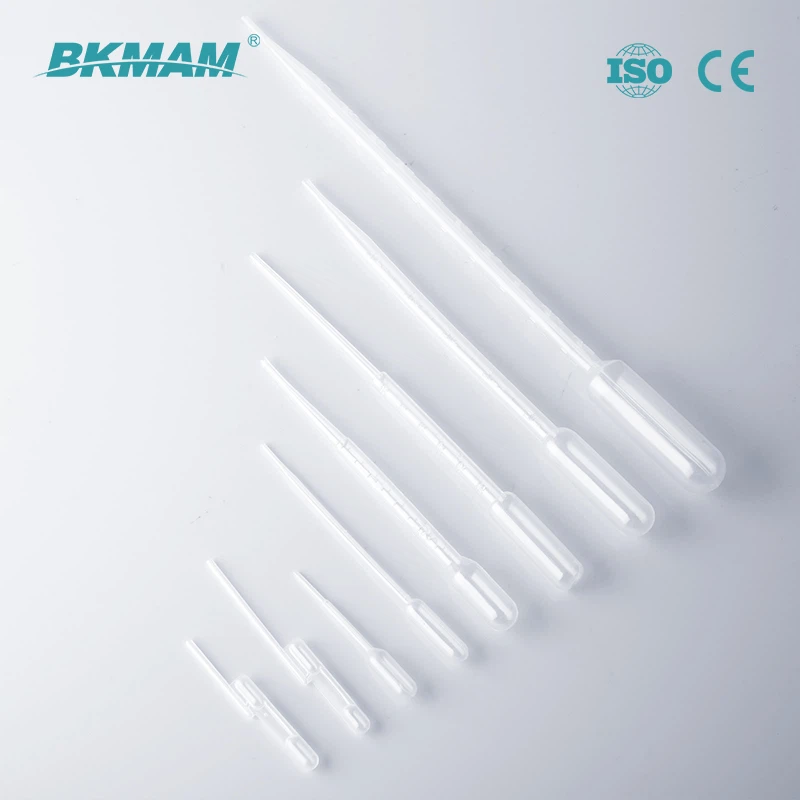
3: PP—Polypropylene
Colorless translucent material with chemical resistance, heat resistance, high strength mechanical properties and high wear resistance processing properties, etc.
The maximum operating temperature is 135°C, and it can be sterilized by high temperature and high pressure
The embrittlement temperature is 0°C, and the low temperature tolerance is poor
Corrosion resistance of acid and alkali, salt solution and various organic solvents at 80℃
Application: Because it can withstand high temperature sterilization, it is mostly used as a reusable container material
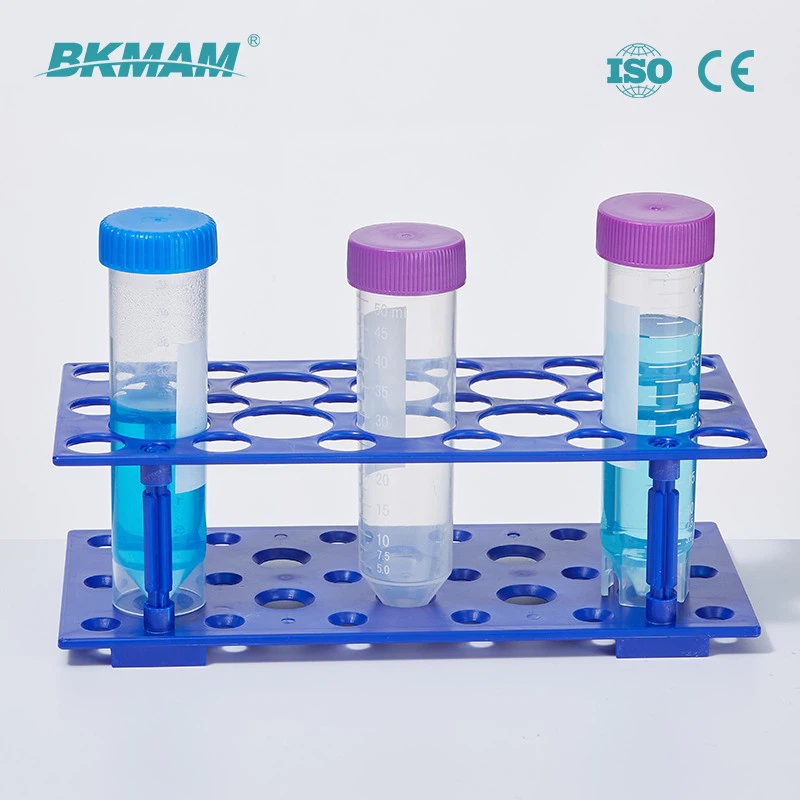
Our filtered pipette tips,VTM sampling tubes,pipette tips,PCR tubes, PCR plates,deep well plates,centrifuge tubes,cryogenic vials are made of PP material .


4: PC—polycarbonate
Has high transparency and is often used as a replacement for glass
The maximum operating temperature is 135℃, and the embrittlement temperature is -135℃
Weak acid and weak alkali resistance, but poor resistance to strong acid, strong alkali and various organic solvents
Applications: Reusable Advanced Solution Display and Shipping, Cell Culture and Intermediate Storage
Some of our cryovial box and reagent bottles are made of polycarbonate.
5: PETG/PET—polyethene terephthalate copolymer
High transparency, non-toxic and tasteless, with good mechanical properties
The maximum operating temperature is 70°C, and the embrittlement temperature is -40°C
Not resistant to acid and alkali
Specially designed to preserve precious samples and materials such as cell culture medium and serum
Some of our reagent bottles and cell culture consumables are made of PETG material .
The above are the common plastic materials in the laboratory. You can choose according to your specific needs.
For more laboratory consumables product information,please feel free to contact with us at any time , info@bkmbio.com Mob:008613450479355 .


